The Rise of Renewable Energy Solutions in the UK
Embracing Sustainable Technologies The UK is experiencing a remarkable transformation in how energy is generated and consumed. With growing concerns over climate change, rising energy…

Why you can trust our content
We know that the solar industry is full of misinformation, but we only use reliable sources, including:



At a glance
Embracing Sustainable Technologies
The UK is experiencing a remarkable transformation in how energy is generated and consumed. With growing concerns over climate change, rising energy costs, and government policies encouraging clean energy, renewable technologies like solar panels, battery storage, and air source heat pumps are becoming increasingly popular. These innovations offer not only environmental benefits but also significant financial advantages for homeowners and businesses alike.
Investing in renewable energy solutions today is a proactive step toward a sustainable future. By reducing reliance on fossil fuels, these technologies contribute to lowering carbon emissions and promoting energy security. Moreover, as technological advancements improve efficiency and reduce costs, renewable systems become more accessible to a wider population.
Solar Panels: Leading the Charge in Renewable Adoption
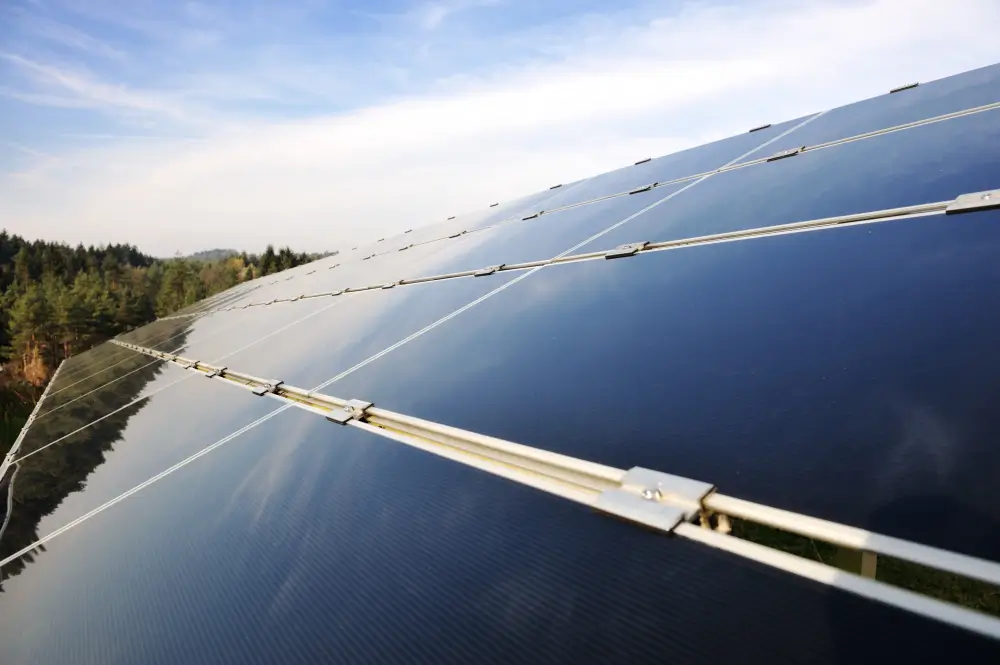
Solar photovoltaic (PV) panels remain the most widely adopted renewable energy technology across the UK. They harness sunlight to generate electricity, providing a clean and sustainable power source for homes and businesses. Their popularity is driven by falling costs, improved efficiency, and government incentives such as the Smart Export Guarantee (SEG), which rewards homeowners for exporting surplus energy back to the grid.
Installing solar panels allows users to reduce their electricity bills substantially. By generating their own power, households become less dependent on the grid, helping them stay insulated from fluctuating energy prices. Furthermore, solar energy systems require minimal maintenance, making them a practical and long-lasting solution.
Recent data shows that regions like Warwickshire, Leicestershire, and the West Midlands have seen significant solar panel installations, highlighting the growing acceptance and trust in this technology. As solar panel prices continue to fall and performance improves, adoption rates are expected to rise even further.
Battery Storage: Enhancing Energy Independence
While solar panels produce electricity during daylight hours, battery storage systems enable homeowners to store excess energy for use at night or during peak demand periods. This capability significantly enhances energy independence, allowing users to maximize the benefits of their solar installations.
Battery storage helps reduce reliance on the national grid and protects homeowners from volatile electricity prices. By storing surplus energy, households can avoid purchasing power when tariffs are highest, resulting in substantial cost savings over time. Additionally, battery systems contribute to a more resilient energy supply, as they can provide backup power during outages if equipped with the appropriate features.
The adoption of battery storage is growing steadily in the UK, although it currently trails behind solar panel installations in volume. The primary barrier remains the initial investment cost, which ranges between £5,000 and £7,500 for a typical 10kWh system, including installation. However, advancements in battery technology and economies of scale are gradually reducing these costs, making storage solutions more affordable.
Battery storage also plays a crucial role in supporting the grid by smoothing demand peaks and reducing strain during high consumption periods. This functionality benefits the wider energy network and supports the UK’s transition towards a low-carbon economy.
It just takes 2 minutes
And then you can book a free consultation
Air Source Heat Pumps: A Clean Alternative for Home Heating
Heating accounts for a significant portion of household energy use and carbon emissions in the UK. Air source heat pumps (ASHPs) provide an efficient and environmentally friendly alternative to traditional gas boilers. These systems extract heat from the outside air and convert it into energy to heat homes and hot water.
ASHPs have gained momentum recently due to government schemes like the Boiler Upgrade Scheme, which offer financial incentives to encourage homeowners to switch from fossil fuel-based heating systems. In 2023 alone, the UK recorded a surge in heat pump installations, reflecting their rising acceptance as a viable heating solution.
Despite their benefits, heat pumps require well-insulated homes to operate efficiently, which means some homeowners may need to invest in home improvements to get the best results. Installation costs can also be higher than conventional boilers, but the long-term energy savings and environmental benefits often outweigh the initial expense.
As the UK moves toward its net-zero emissions targets, heat pumps are expected to play a pivotal role in decarbonizing home heating, making them a smart investment for future-proofing properties.
Government Initiatives Driving Renewable Growth
The UK government has introduced various policies and incentives to accelerate the adoption of renewable technologies. The Smart Export Guarantee encourages solar owners to export excess electricity and receive payments, enhancing the financial appeal of solar installations.
Meanwhile, schemes like the Boiler Upgrade Scheme provide grants for replacing old boilers with low-carbon heating solutions such as air source heat pumps. These programs reduce upfront costs and help make green technologies more affordable for homeowners.
Additionally, growing public awareness about climate change and energy independence is fueling demand for renewable energy systems. Homeowners are increasingly motivated by the dual benefits of reducing carbon footprints and lowering energy bills.
Future Outlook: A Renewable Energy Revolution
The renewable energy sector in the UK is poised for sustained growth. Solar panels are expected to maintain their position as the most commonly installed technology due to their affordability and ease of installation. Battery storage adoption will continue rising in tandem with solar, offering enhanced self-sufficiency and cost savings.
Air source heat pumps will also see increased uptake as heat decarbonization becomes a priority under government climate targets. Together, these technologies represent a comprehensive approach to sustainable living, addressing electricity generation, storage, and heating needs.
Investing in renewable energy solutions today not only provides financial returns through energy savings and government incentives but also contributes to building a cleaner, more resilient energy future for the UK.
Related articles







What type of property do you have?

Detached House

Semi Detached House

Terraced House

Flat or Apartment
Bungalow
At a glance
Embracing Sustainable Technologies
The UK is experiencing a remarkable transformation in how energy is generated and consumed. With growing concerns over climate change, rising energy costs, and government policies encouraging clean energy, renewable technologies like solar panels, battery storage, and air source heat pumps are becoming increasingly popular. These innovations offer not only environmental benefits but also significant financial advantages for homeowners and businesses alike.
Investing in renewable energy solutions today is a proactive step toward a sustainable future. By reducing reliance on fossil fuels, these technologies contribute to lowering carbon emissions and promoting energy security. Moreover, as technological advancements improve efficiency and reduce costs, renewable systems become more accessible to a wider population.
Solar Panels: Leading the Charge in Renewable Adoption
Solar photovoltaic (PV) panels remain the most widely adopted renewable energy technology across the UK. They harness sunlight to generate electricity, providing a clean and sustainable power source for homes and businesses. Their popularity is driven by falling costs, improved efficiency, and government incentives such as the Smart Export Guarantee (SEG), which rewards homeowners for exporting surplus energy back to the grid.
Installing solar panels allows users to reduce their electricity bills substantially. By generating their own power, households become less dependent on the grid, helping them stay insulated from fluctuating energy prices. Furthermore, solar energy systems require minimal maintenance, making them a practical and long-lasting solution.
Recent data shows that regions like Warwickshire, Leicestershire, and the West Midlands have seen significant solar panel installations, highlighting the growing acceptance and trust in this technology. As solar panel prices continue to fall and performance improves, adoption rates are expected to rise even further.
Battery Storage: Enhancing Energy Independence
While solar panels produce electricity during daylight hours, battery storage systems enable homeowners to store excess energy for use at night or during peak demand periods. This capability significantly enhances energy independence, allowing users to maximize the benefits of their solar installations.
Battery storage helps reduce reliance on the national grid and protects homeowners from volatile electricity prices. By storing surplus energy, households can avoid purchasing power when tariffs are highest, resulting in substantial cost savings over time. Additionally, battery systems contribute to a more resilient energy supply, as they can provide backup power during outages if equipped with the appropriate features.
The adoption of battery storage is growing steadily in the UK, although it currently trails behind solar panel installations in volume. The primary barrier remains the initial investment cost, which ranges between £5,000 and £7,500 for a typical 10kWh system, including installation. However, advancements in battery technology and economies of scale are gradually reducing these costs, making storage solutions more affordable.
Battery storage also plays a crucial role in supporting the grid by smoothing demand peaks and reducing strain during high consumption periods. This functionality benefits the wider energy network and supports the UK’s transition towards a low-carbon economy.
It just takes 2 minutes
And then you can book a free consultation
Air Source Heat Pumps: A Clean Alternative for Home Heating
Heating accounts for a significant portion of household energy use and carbon emissions in the UK. Air source heat pumps (ASHPs) provide an efficient and environmentally friendly alternative to traditional gas boilers. These systems extract heat from the outside air and convert it into energy to heat homes and hot water.
ASHPs have gained momentum recently due to government schemes like the Boiler Upgrade Scheme, which offer financial incentives to encourage homeowners to switch from fossil fuel-based heating systems. In 2023 alone, the UK recorded a surge in heat pump installations, reflecting their rising acceptance as a viable heating solution.
Despite their benefits, heat pumps require well-insulated homes to operate efficiently, which means some homeowners may need to invest in home improvements to get the best results. Installation costs can also be higher than conventional boilers, but the long-term energy savings and environmental benefits often outweigh the initial expense.
As the UK moves toward its net-zero emissions targets, heat pumps are expected to play a pivotal role in decarbonizing home heating, making them a smart investment for future-proofing properties.
Government Initiatives Driving Renewable Growth
The UK government has introduced various policies and incentives to accelerate the adoption of renewable technologies. The Smart Export Guarantee encourages solar owners to export excess electricity and receive payments, enhancing the financial appeal of solar installations.
Meanwhile, schemes like the Boiler Upgrade Scheme provide grants for replacing old boilers with low-carbon heating solutions such as air source heat pumps. These programs reduce upfront costs and help make green technologies more affordable for homeowners.
Additionally, growing public awareness about climate change and energy independence is fueling demand for renewable energy systems. Homeowners are increasingly motivated by the dual benefits of reducing carbon footprints and lowering energy bills.
Future Outlook: A Renewable Energy Revolution
The renewable energy sector in the UK is poised for sustained growth. Solar panels are expected to maintain their position as the most commonly installed technology due to their affordability and ease of installation. Battery storage adoption will continue rising in tandem with solar, offering enhanced self-sufficiency and cost savings.
Air source heat pumps will also see increased uptake as heat decarbonization becomes a priority under government climate targets. Together, these technologies represent a comprehensive approach to sustainable living, addressing electricity generation, storage, and heating needs.
Investing in renewable energy solutions today not only provides financial returns through energy savings and government incentives but also contributes to building a cleaner, more resilient energy future for the UK.
Related articles
What type of property do you have?
Detached House
Semi Detached House
Terraced House
Flat or Apartment
Bungalow